Blue Farm Table From the soil to your plate, honestly grown.

Blue Farm Table

From the soil to your plate, honestly grown.

Latest Articles

The Honest Ranking: Five Ways to Actually Eat Local in February
Sustainable Farming

The Honest Ranking: Five Ways to Actually Eat Local in February

'Fresh and local' is a lovely slogan until the ground freezes. We ranked the real options — storage crops, winter CSAs, frozen farm-direct produce, and your own pantry — by nutrition, cost, and carbon, so you can eat local without lying to yourself.
While You Were Sleeping: Twelve Hours That Put Blueberries on Your Cereal
Food Transparency

While You Were Sleeping: Twelve Hours That Put Blueberries on Your Cereal

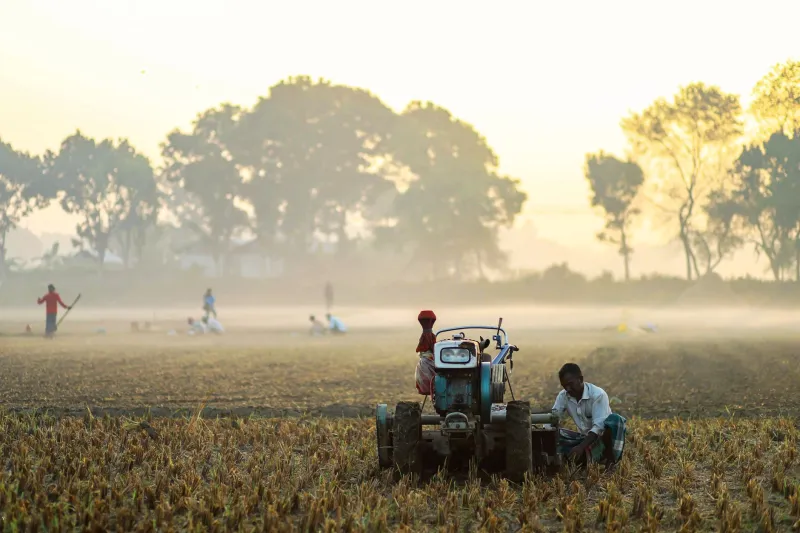
Long before your alarm goes off, someone is bent over a row of strawberries with a headlamp on. We followed a harvest crew through one pre-dawn shift to understand what 'honestly grown' really costs — and who's paying the difference.

That Charming Red Barn on the Label Is Owned by a Private Equity Firm
Food Transparency

That Charming Red Barn on the Label Is Owned by a Private Equity Firm

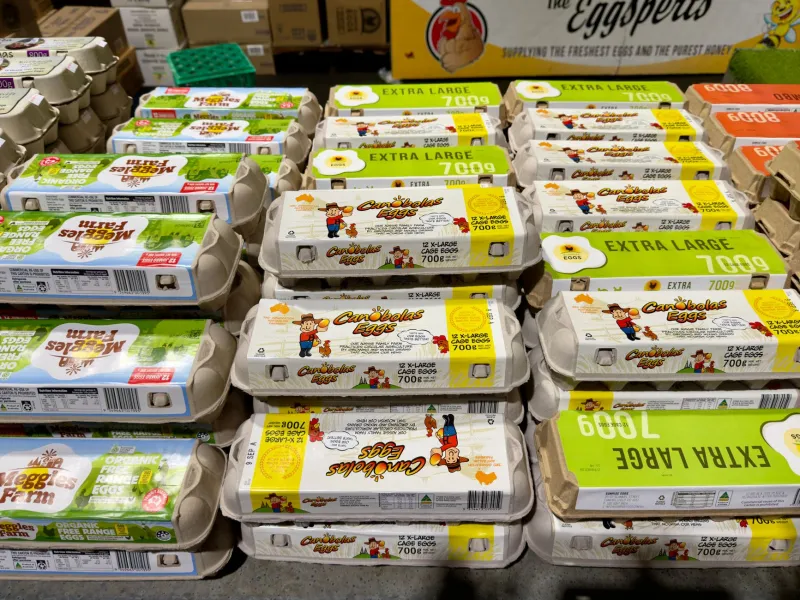
Hand-drawn barns, fictional grandmothers, and farm names invented in a corporate conference room: pastoral packaging has become an art form of misdirection. Here's a five-point checklist for spotting the difference between a real farm story and a really good design brief.

Before Your Coffee Cools: Inside the One-Day Journey of a CSA Box
Sustainable Farming

Before Your Coffee Cools: Inside the One-Day Journey of a CSA Box

We followed a single community-supported agriculture share from pre-dawn harvest to a family's dinner table in under 24 hours. Along the way, we learned why this hyper-local model works so well — and why it still feeds so few of us.

The Grocery Aisle Truth Test: 7 Eco Labels Ranked by How Much They Actually Mean
Food Transparency

The Grocery Aisle Truth Test: 7 Eco Labels Ranked by How Much They Actually Mean

Regenerative Certified, Animal Welfare Approved, 'natural,' 'farm fresh' — the labels on your food range from rigorously audited to completely meaningless. We ranked seven of the most common claims so you know where your extra dollars actually go.

Your Grandmother's Recipe Box Is a Climate Manifesto (She Just Didn't Know It)
Food Transparency

Your Grandmother's Recipe Box Is a Climate Manifesto (She Just Didn't Know It)

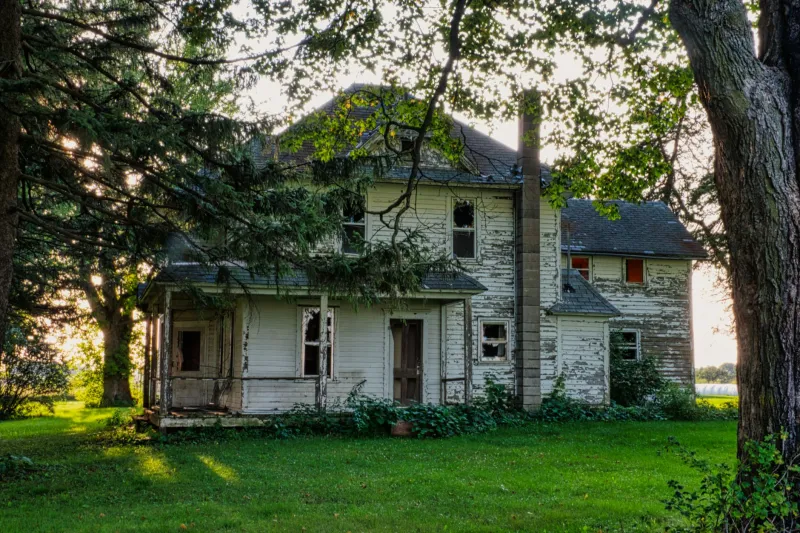
Before global supply chains, American home cooking was built on what grew nearby and when. Reclaiming that seasonal, regional instinct might be the most underrated climate action in your kitchen.

Underground Accounting: The Messy, Contested Science of Measuring Soil Carbon
Food Transparency

Underground Accounting: The Messy, Contested Science of Measuring Soil Carbon

The agriculture industry has made soil carbon sequestration one of its biggest selling points — but the science of actually measuring what's happening underground is far murkier than anyone wants to admit. Competing methodologies, corporate-funded research, and a near-total absence of regulatory standards have created a system where almost any farm can make almost any claim. Here's what's really going on beneath your feet.

The Hidden Labor Problem Inside Your Favorite Farmers Market
Food Transparency

The Hidden Labor Problem Inside Your Favorite Farmers Market

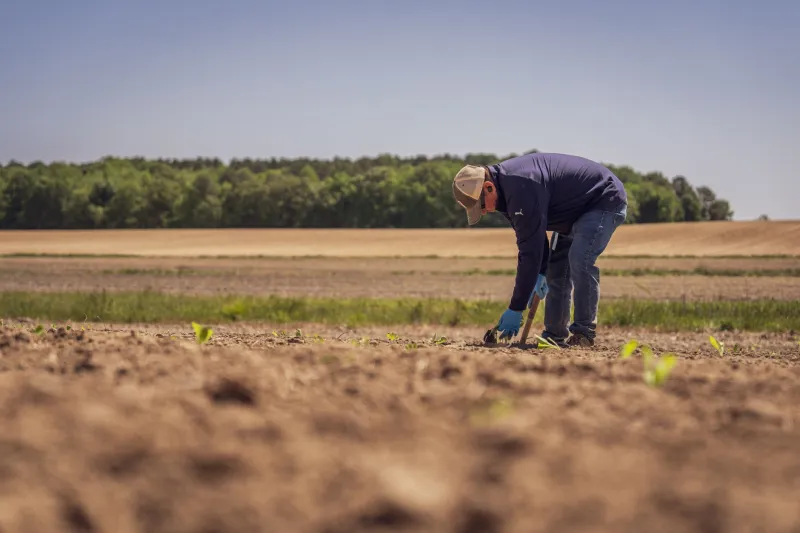
Buying local and organic feels like the right thing to do — for the planet, for small farms, for your community. But there's a question the farm-to-table movement has been conspicuously slow to ask: what are the people actually picking that food getting paid? The answer is complicated, uncomfortable, and long overdue for a real conversation.

You Might Be Growing Contraband in Your Backyard: The Strange Legal World of Seed Saving
Sustainable Farming

You Might Be Growing Contraband in Your Backyard: The Strange Legal World of Seed Saving

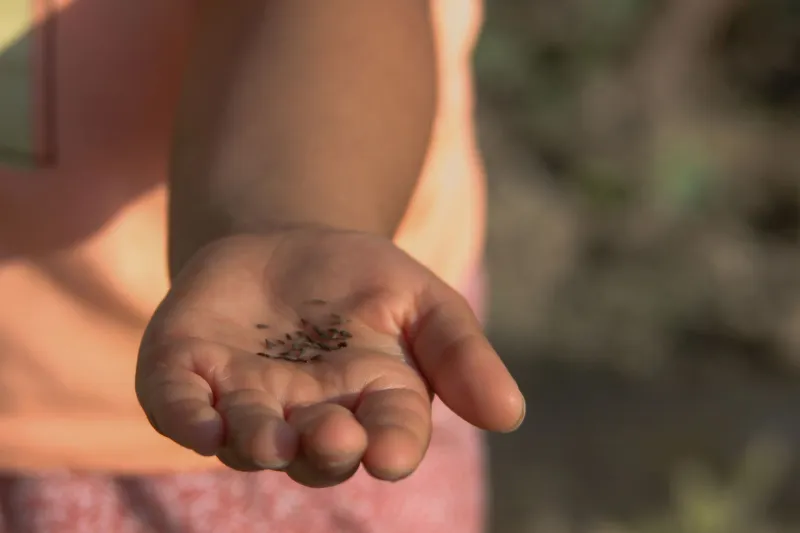
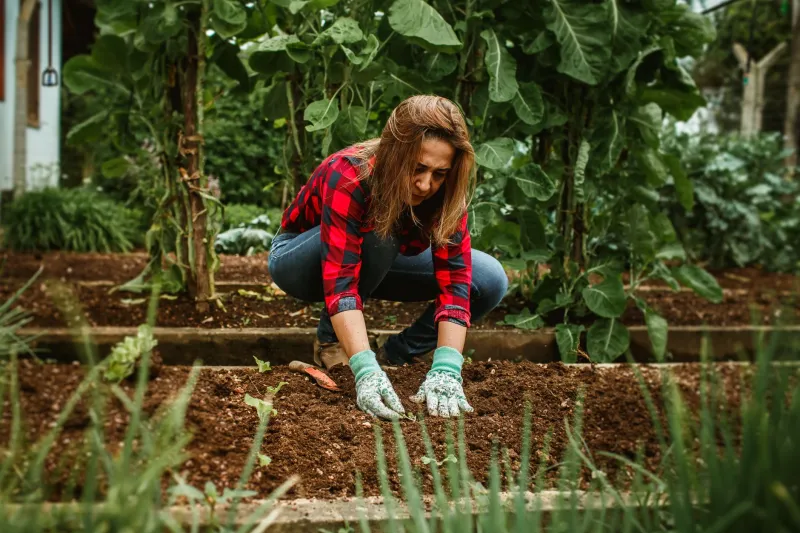
Saving seeds from your garden feels like the most natural thing in the world — humans have been doing it for ten thousand years. But somewhere along the way, the law got involved. Depending on what you're growing and where those seeds came from, that jar of saved tomato seeds on your windowsill could put you in legally complicated territory. Here's what every gardener needs to know.

Six Companies Decide What America Eats: The Quiet Corporate Takeover of the Seed Supply
Food Transparency

Six Companies Decide What America Eats: The Quiet Corporate Takeover of the Seed Supply

A handful of multinational corporations now control the majority of the commercial seed supply in the United States, and the ripple effects reach all the way to your dinner plate. Sustainable farmers who want to grow diverse, flavorful crops are increasingly boxed out by patent restrictions and licensing agreements designed for industrial-scale agriculture. But a quiet rebellion is taking root in seed libraries, farm networks, and kitchen gardens across the country.

Stuck at the Farmers Market: The Hidden Infrastructure Problem Keeping Sustainable Food Off Grocery Shelves
Sustainable Farming

Stuck at the Farmers Market: The Hidden Infrastructure Problem Keeping Sustainable Food Off Grocery Shelves

Growing clean, honest food is only half the battle. For most small regenerative farms, the real wall isn't in the soil — it's in the supply chain. Here's why your grocery store shelves are still dominated by industrial agriculture, even as sustainable farming quietly grows roots across the country.

Selling the Sky: How Carbon Credit Farming Became the Food Industry's Most Profitable Fiction
Food Transparency

Selling the Sky: How Carbon Credit Farming Became the Food Industry's Most Profitable Fiction

Farms across the country are cashing checks for 'sequestering carbon' — but a growing body of science suggests many of those credits are more marketing than measurable impact. Before you pay a premium for that 'climate-smart' label, here's what the fine print isn't telling you.

Good Intentions, Dirty Water: The Fertilizer Problem Hiding in Plain Sight on Sustainable Farms
Food Transparency

Good Intentions, Dirty Water: The Fertilizer Problem Hiding in Plain Sight on Sustainable Farms

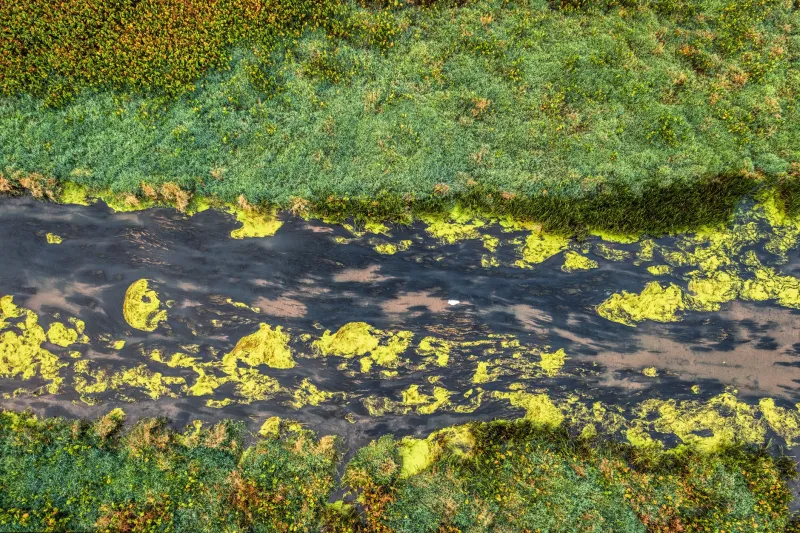
Plenty of farms earn an organic certification and still send a flood of excess nutrients straight into the nearest watershed. The uncomfortable truth is that 'sustainable' on the label doesn't automatically mean harmless to the waterways downstream. Here's what's really happening beneath the surface — and why it matters to every conscious eater in America.

Draining the Future: How Industrial Farms Are Quietly Emptying America's Underground Water Supply
Sustainable Farming

Draining the Future: How Industrial Farms Are Quietly Emptying America's Underground Water Supply

Beneath the sun-baked fields of California, Kansas, and Arizona, ancient aquifers are disappearing faster than rainfall can ever replace them — and your grocery cart has more to do with it than you might think. Industrial agriculture is quietly mining water that took thousands of years to accumulate, and the bill is coming due. Here's what's actually happening underground, and why a handful of water-smart farmers are pointing toward a different way forward.

Who's Really Paying for That $1 Bag of Apples? (Hint: It's You, Twice)
Food Transparency

Who's Really Paying for That $1 Bag of Apples? (Hint: It's You, Twice)

That suspiciously affordable bag of apples at the grocery store isn't actually cheap — you've already paid for part of it through your taxes. Federal agricultural subsidies have quietly tilted the playing field for decades, propping up industrial commodity operations while leaving sustainable and regenerative farms to fend for themselves in a rigged market.

What 'Raised Without Antibiotics' Actually Means — And What It Conveniently Leaves Out
Food Transparency

What 'Raised Without Antibiotics' Actually Means — And What It Conveniently Leaves Out

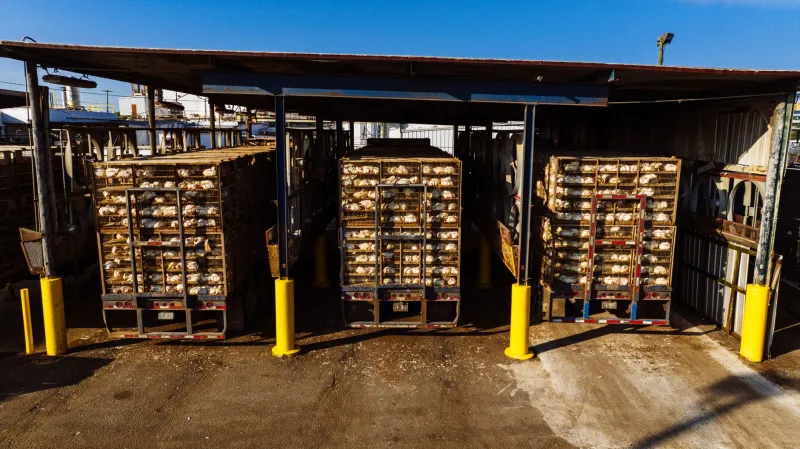
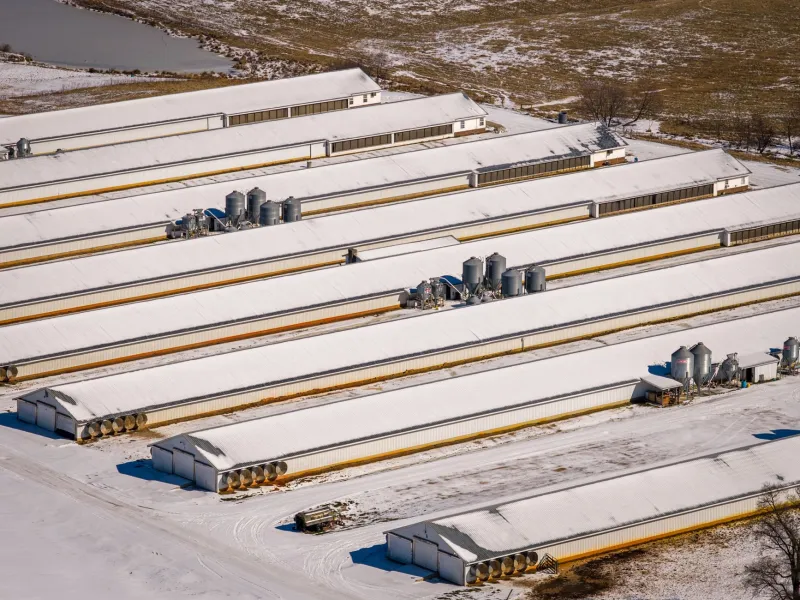
That 'no antibiotics ever' stamp on your chicken package feels reassuring — but the story behind it is messier than the label suggests. Antibiotic resistance doesn't vanish just because a farm stops using the drugs, and some marketing claims are designed more to ease your conscience than to reflect what's actually happening in the barn. Here's what the poultry industry doesn't put on the package.

Every Time You Buy Cheap Meat, You Might Be Funding a Public Health Emergency
Food Transparency

Every Time You Buy Cheap Meat, You Might Be Funding a Public Health Emergency

Routine antibiotic use in conventional livestock operations is quietly accelerating one of the most dangerous medical crises of our time. Drug-resistant infections now kill tens of thousands of Americans every year — and the food on your plate may be part of the pipeline. Here's what's actually happening, and how to shop your way out of it.

When the Tractor Leaves Town: The True Price of Corporate Farming's Takeover of Rural America
Food Transparency

When the Tractor Leaves Town: The True Price of Corporate Farming's Takeover of Rural America

Agricultural consolidation isn't just an abstract economic trend — it's the slow unraveling of communities that have grown food for generations. When corporations absorb family farms, the losses go far deeper than acreage. They reach into schools, diners, hardware stores, and the very identity of rural America.

Superbugs Don't Stay on the Farm: The Hidden Health Crisis Spreading from Factory Feedlots to Your Front Yard
Food Transparency

Superbugs Don't Stay on the Farm: The Hidden Health Crisis Spreading from Factory Feedlots to Your Front Yard

Industrial livestock operations quietly dose millions of animals with antibiotics every single day — not just to treat illness, but to make them grow faster. What comes next is a public health story that rarely makes the news: drug-resistant bacteria migrating off the farm, into the water, and into the bodies of people who've never set foot near a feedlot.

Green on the Surface, Hollow Underneath: How Regenerative Agriculture Became the Food Industry's Favorite Buzzword
Food Transparency

Green on the Surface, Hollow Underneath: How Regenerative Agriculture Became the Food Industry's Favorite Buzzword

Regenerative agriculture is one of the most promising movements in modern farming — and one of the most easily faked. As big brands rush to slap 'regenerative' on their packaging, a growing number of farmers, soil scientists, and savvy shoppers are asking the same uncomfortable question: how do you know if any of it is real?