The Honest Ranking: Five Ways to Actually Eat Local in February
Every February, somewhere in Minnesota or Maine, someone stands in a grocery store holding a clamshell of berries that flew 2,000 miles and feels a little guilty about it. We're not here to add to the guilt. We're here to hand you a better playbook.
Eating local in cold-weather states isn't about finding fresh tomatoes in January — that's a losing game. It's about knowing which winter strategies actually deliver on nutrition, cost, and climate. So we ranked them. Spoiler: your freezer is a hero.
How We Ranked
Three criteria, weighted equally: nutrition (does the food still deliver?), cost (per serving, realistically), and carbon footprint (including storage energy and transport). We also factored in what we're calling the 'honesty factor' — how clearly the food connects you to an actual farm and season.
#1: Storage Crops from a Winter Farmers Market
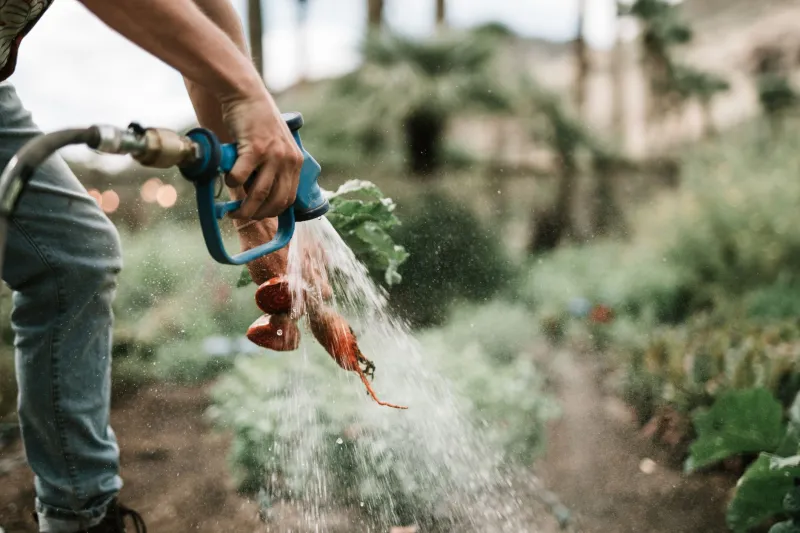
Root vegetables, winter squash, cabbage, potatoes, onions, garlic, apples from cold storage — this is the quiet backbone of northern agriculture, and it's brilliant. Farmers markets in places like Burlington, Madison, and Portland run indoor winter markets now, and the goods on those tables were grown in soil, not a warehouse in another hemisphere.
Storage crops are nutritionally solid (carrots and beets hold their vitamins remarkably well in cold storage), cheap — often $1–2 per pound — and their footprint is tiny: no heated greenhouses, no air freight. The honesty factor is off the charts. You are literally eating the season.
The catch: menu fatigue. If you don't learn to roast, braise, ferment, and soup your way through a root cellar's worth of turnips, you'll burn out by March.
#2: Frozen Farm-Direct Produce
Here's the myth we most want to kill: frozen vegetables are a nutritional downgrade. They're not. Flash-frozen within hours of harvest, frozen peas, corn, and spinach often beat 'fresh' supermarket produce that spent a week in transit losing nutrients by the day.
The move here is sourcing. Some mid-sized farms and food hubs now sell frozen, farm-direct produce through winter CSA add-ons or online ordering — think sweet corn from an Illinois farm in December, not a multinational brand. If you can find it, the carbon math is excellent (freezing uses energy, but far less than heated greenhouses or air freight), and prices land in the middle of the pack.
The catch: availability is spotty and you'll need to ask around. Ask your summer CSA farmer if they freeze — many do and don't advertise it.
#3: Winter CSA Shares
Winter CSAs have grown up. A good one delivers a curated box of storage crops, hardy greens from unheated hoop houses, dried beans, grains, honey, and sometimes frozen items through the dark months. Nutrition is strong, especially the winter spinach and kale grown in high tunnels — those cold-weather greens are often sweeter than their summer versions.
Cost per serving is reasonable, and the honesty factor is the best in the business: you know your farmer's name, and your winter dollars keep that farm's cash flow alive until spring. That last part matters more than most shoppers realize — winter revenue can be the difference between a farm making it and not.
The catch: you eat what the farm grows. Celeriac is coming whether you like it or not.
#4: Home Preservation (Your Freezer and Pantry)
If you put up food in September — blanching and freezing, canning tomatoes, pickling — you're eating local all winter with near-zero food miles. Nutrition depends on method: freezing preserves beautifully, water-bath canning is decent for tomatoes and fruit, and fermented goods like sauerkraut are nutritional overachievers.
Cost is the lowest of all five options if you grow or buy in bulk during peak season — a half-bushel of canning tomatoes in August costs a fraction of January's fresh equivalent. The footprint is minimal, especially for freezer storage paired with a full load of laundry and a well-stocked chest freezer.
The catch: labor. Preservation is a September weekend you never get back. Worth it, but know yourself.
#5: Supermarket 'Local' Fresh Produce in Winter
That 'local' greens sticker on a February clamshell? Check the fine print. Some of it comes from regional greenhouses — which is legitimately better than California trucking, though heated greenhouse production carries a real energy footprint, especially in gas-heated structures. Much of the rest is 'local' in the sense that it was packed nearby.
It's convenient and it keeps produce in your diet, but it's the most expensive per serving and the least honest connection to the season. Fine as a supplement. Not the foundation.
The Bottom Line
Build your winter plate like this: storage crops and winter market finds as the base, frozen farm-direct goods for variety, a winter CSA if you can commit, your own preserved pantry as your pride and joy, and supermarket 'local' as an occasional bridge. Eat with the season, and February stops being a failure state. It starts being a cuisine.