Before Your Coffee Cools: Inside the One-Day Journey of a CSA Box
The headlights cut through the fog at 5:40 a.m. on a Tuesday in June. At Whistle Pig Farm, forty minutes outside of Columbus, Ohio, Marisol Vega and her two farmhands are already knee-deep in kale, headlamps bobbing between rows.
By tonight, the lettuce they're cutting right now will be on a dinner plate in a suburban kitchen twenty miles away. No warehouse. No reefer truck crossing three state lines. No distributor taking a cut.
This is the zero-mile promise of community-supported agriculture — and it's more complicated, and more fragile, than the marketing brochures suggest.
The Morning Math of a Small Farm
A CSA works on a simple premise: members buy a "share" of the harvest before the season starts, giving the farmer upfront cash when it's needed most. In return, they get a weekly box of whatever's ripe.
What that premise demands logistically is anything but simple.
Marisol's crew has a hard deadline. Boxes must be packed by 10 a.m., delivered to three pickup sites by early afternoon, and in members' hands before the workday ends. There's no buffer, no cold storage backlog. The harvest IS the supply chain.
"People ask why we don't just do grocery delivery," Marisol says, snapping zucchini off the stem. "Because the whole point is that this food was in the ground this morning. The moment we add warehouses and trucks, we're just another middleman with a farm attached."
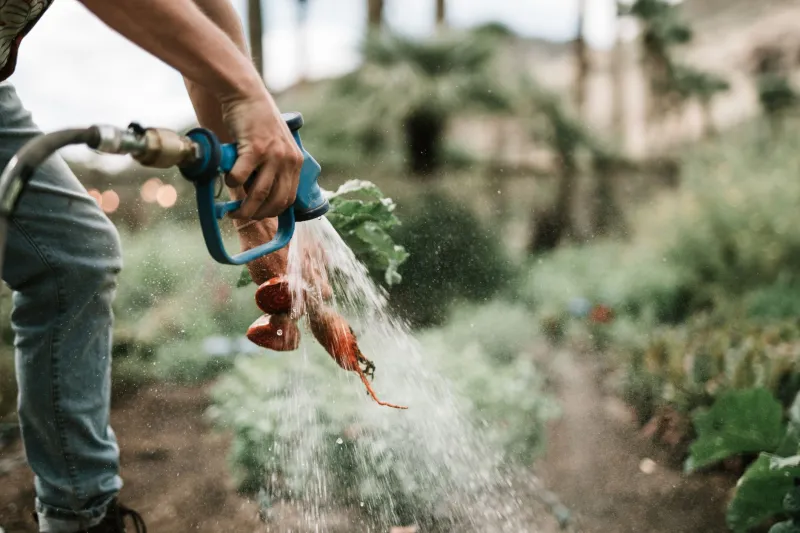
By 8 a.m., the wash station is running — a repurposed dairy tank, a hose, and a lot of elbow grease. Greens get hydro-cooled to knock the field heat out. Root vegetables get bunched with twist ties. Everything gets counted twice, because a short box is how you lose a member.
What Zero Miles Actually Saves
The average American grocery item travels roughly 1,500 miles before purchase. A CSA box travels, typically, under 50.
The benefits compound quickly: dramatically lower fuel use, no packaging beyond a paper bag or reusable tote, and near-zero spoilage because there's no long middle life between harvest and eating. Studies of local food systems consistently find per-meal carbon footprints a fraction of their supermarket equivalents.
But the deeper benefit isn't environmental — it's relational. When you pick up your box, you're often picking it up from the person who grew it. That relationship is why CSA retention rates, while improving, still hover below 50%. Members churn when the beets keep coming and the tomatoes don't.
"Honest farming means honest boxes," Marisol shrugs. "Some weeks are all greens. That's June in Ohio."
Why This Model Feeds So Few
Here's the uncomfortable part: CSAs account for a sliver of a sliver of American food sales — well under 1% by most estimates. The reasons are structural.
- Cash-flow risk lands on consumers. Paying $600 upfront in February for a season of vegetables is a luxury most households can't budget for.
- Convenience loses. A box of mystery produce requires cooking skills and flexibility that a week of grab-and-go meals doesn't accommodate.
- Labor doesn't scale. Marisol's farm feeds about 90 families with three full-time workers. Replicating that model nationally would require a small army of skilled farmers — a workforce the country is actively losing.
Some farms are bridging the gap: sliding-scale pricing, SNAP acceptance, payment plans, and partnerships with workplaces for pickup sites. Low-income CSA subsidy programs in cities like Minneapolis and Boston have shown that the model can widen its reach when the upfront barrier comes down.
Thinking About Your First Share? Read This First.
If you're CSA-curious, a little homework goes a long way:
- Ask what farm actually grows the food. Some "CSAs" are aggregation services reselling wholesale produce. Nothing wrong with that — but know what you're buying.
- Be honest about your cooking habits. If a busy week means takeout, a weekly box may become a compost contribution.
- Start with a half share or every-other-week option. Most farms offer them.
- Ask about their weather policy. A good farm communicates when a crop fails instead of quietly substituting.
- Treat it as a relationship, not a transaction. Visit the farm. Ask questions. Members who engage stay for years.
By 1:15 p.m. on that June Tuesday, the last box is handed off at a church parking lot in Bexley. By 6:30, the Vega family's kale is being sautéed with garlic in someone else's kitchen, still tasting — faintly, impossibly — of the morning fog it was picked in.
That's the whole supply chain. From soil to plate, honestly grown, in less time than it takes a truck to leave a distribution center.