The Hands in the Harvest: What an H-2A Visa Means for the Farm on Your Label
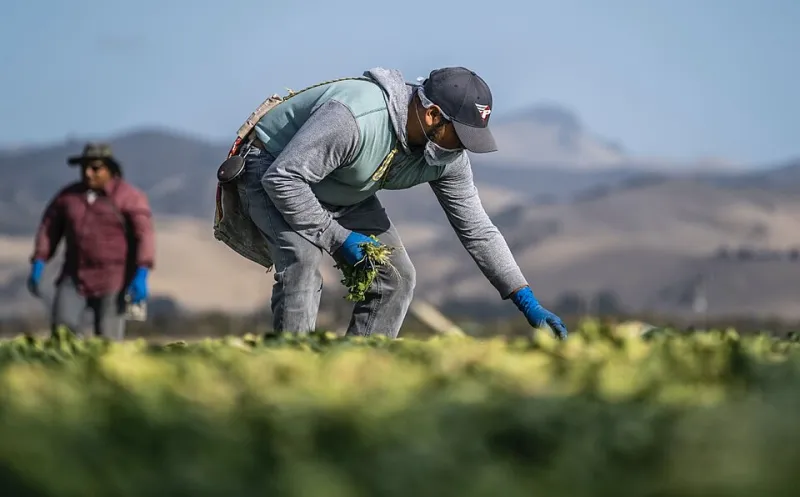
Photo: PAC55, CC0, via Wikimedia Commons
Visit a vegetable farm in the United States in July and you may see a crew moving through a field of cucumbers, tomatoes, or leafy greens. The work is fast, repetitive, and often done in heat that makes a shade tent feel like a luxury. A growing number of those workers are in the country through the H-2A temporary agricultural worker program. The visa is not a household name, but it is increasingly part of the story behind the produce aisle, the farmers market table, and the CSA box.
H-2A allows US agricultural employers to bring foreign workers to the country for temporary or seasonal work when there are not enough willing and qualified domestic workers. The program has expanded significantly over the past decade. It is used by large produce operations, but more small and mid-sized farms are also experimenting with it, especially those growing labor-intensive crops that cannot be easily mechanized.
The Rules Behind the Rows
The program comes with obligations that shape how a farm operates. Employers must pay the Adverse Effect Wage Rate, a minimum wage set by the US Department of Labor for H-2A workers in each state or region. The rate is meant to prevent guest workers from undercutting local wages. Employers must also provide housing that meets federal standards, reimburse certain transportation costs, and offer work for at least a set portion of the contract period. The paperwork is substantial: job orders, applications, inspections, and recordkeeping.
For a farmer who wants to market food as ethical, those rules can be a selling point. They create a paper trail. They set a wage floor. They require housing that, at least on paper, must pass inspection. But rules on paper are not the same as a fair system in practice. Housing can be cramped or isolated. Workers may be far from town, without a car or easy access to groceries. The power imbalance is real: a worker's visa is tied to the employer. Speaking up about unsafe conditions or unpaid hours can feel risky.
The Small Farm Squeeze
Small farms face a particular bind. They may need seasonal labor to survive, but they may lack the administrative staff to navigate the program. The cost of housing, transportation, and compliance can be steep. Some farmers decide the program is not worth it. Others turn to farm labor contractors, who recruit and manage crews. That can shift responsibility away from the farm's own payroll, but it does not necessarily make the work more transparent.
This is where the farm-to-table story gets complicated. A label can say local. A sign can say family farm. A website can say we treat our workers well. None of those claims are automatically false. But consumers rarely get a clear view of who actually did the picking, what they were paid, where they slept, or whether they had the freedom to leave a bad situation.
What Ethical Sourcing Actually Requires
An honest farm labor story is not just about whether a farm uses H-2A. It is about how the farm treats people within whatever system it uses. Does the farm pay above the minimum? Does it provide safe housing and transportation? Are workers allowed to organize or raise concerns without retaliation? Does the farm use a labor contractor, and if so, how does it monitor that contractor's practices?
Those questions are hard for consumers to answer from a produce label. That is why certification programs and worker-driven social responsibility efforts matter. They are not perfect, but they can create independent checks that a farm's own marketing cannot provide.
For consumers, the practical takeaway is not to boycott every farm that uses guest workers. The program is one of the few paths many farms have to keep growing labor-intensive crops at a scale that can support a family. The takeaway is to ask better questions and to support farms that answer them seriously. Ask where the workers come from. Ask whether housing is provided. Ask whether the farm uses a contractor. Ask what happens if a worker has a complaint.
A farm that grows food honestly should be able to talk about the hands in the harvest without flinching. The visa behind your vegetables is not a scandal in itself. The scandal is how little most shoppers are invited to know about the people who hold it.