While You Were Sleeping: Twelve Hours That Put Blueberries on Your Cereal
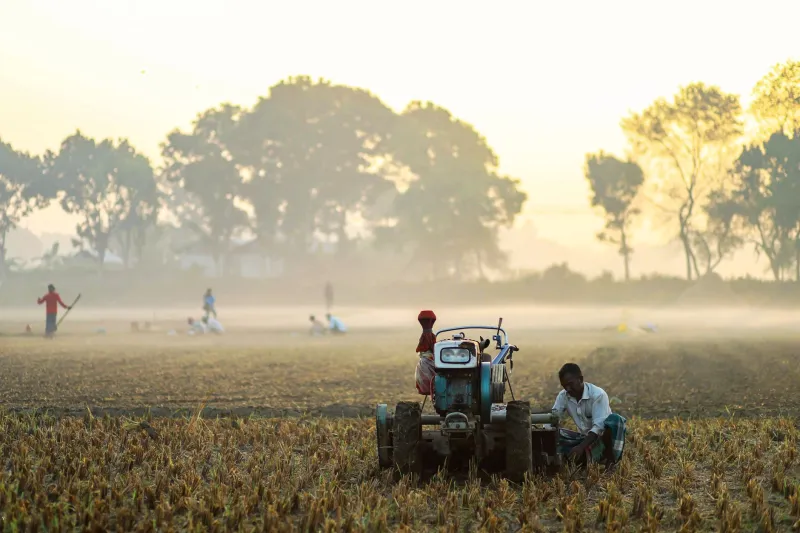
It's 3:47 a.m. and the parking lot at a mid-size berry farm outside Watsonville, California is already half full. Pickup trucks idle in the cold, headlights cutting cones through the fog that rolls off the Pajaro Valley. By 4:15, roughly sixty people — most of them wearing layers they'll shed by mid-morning — are walking into fields that won't see direct sunlight for another four hours.
If you've ever eaten fresh fruit in January, this is the shift that made it possible.
The Coldest, Darkest Part of the Day Belongs to Them
Night harvesting isn't a quirk. It's logistics and biology. Berries picked in the cool of night hold their structure longer, which means fewer bruised pints in the cull pile and less waste downstream. Cooling the fruit quickly after picking — the industry calls it 'removing field heat' — can add days to shelf life. So the crew works while the rest of the county sleeps, moving down rows in the dark with headlamps and the practiced speed of people who have done this thousands of times.
Maria, who asked to be identified only by her first name, has been picking for eleven seasons. Her hands move faster than your eyes can track — twist, check, place, twist, check, place. A full flat of strawberries weighs about ten pounds. A fast picker fills dozens of them before the sun comes up.
'I like the quiet,' she told me during a water break, laughing. 'The field at night, it's peaceful. The work is not.'
What the Paycheck Actually Says
Here's where the honest conversation starts. Most harvest crews in the U.S. are paid by the piece — a set rate per flat, bucket, or crate — with a federal or state minimum wage floor underneath. In theory, a productive picker on a good day out-earns minimum wage handily. In practice, the math gets murkier: slow fields, pest-damaged rows, and new workers still building speed can mean weeks where the guaranteed minimum is all anyone takes home.
Piece rates also create a quiet tension with safety. The faster you go, the more you earn — and the more you're tempted to skip a water break, to keep working through early heat, to push through a twinge in your lower back. California and a handful of other states now require shade, fresh water, and paid rest breaks when temperatures climb, and heat illness prevention rules have genuinely saved lives since they took effect. But enforcement depends on complaints, and workers who fear retaliation don't complain.
The people doing this work are, overwhelmingly, immigrants. Many are mixed-status families who've anchored rural economies for decades — the same towns that would simply stop functioning if the crews stopped showing up.
The Heat Is Getting Harder to Work Around
Ask any longtime crew leader and they'll tell you the seasons feel different than they did twenty years ago. More days that start brutally hot by 9 a.m. Smoke from western wildfires drifting over fields in August. Harvest windows that shift and compress.
Agricultural workers are already 35 times more likely to die of heat-related illness than the general workforce, according to federal estimates. That's why the pre-dawn shift matters more than it used to — it's not just about fruit quality anymore. It's about buying the crew a few precious hours before the sun turns the rows into an oven.
What Fair Would Actually Cost You
So let's do the uncomfortable arithmetic. If a farm doubled the base pay for its harvest crew — not a fantasy number, roughly what a truly living wage with benefits would require — what happens to your grocery bill?
Researchers at Michigan State and the USDA have looked at this repeatedly. The answer: surprisingly little. Farm labor typically accounts for a few cents on the retail dollar. Double the picker's wage on a pint of berries that retails for $4.99 and the shelf price rises by cents, not dollars. The bigger markups happen after the fruit leaves the farm — processing, distribution, marketing, and retailer margin swallow most of the sticker price.
That's not an argument that everything is fine. It's an argument that the barrier to fair pay isn't economic. It's that nobody in the supply chain has been forced to prioritize it — and shoppers have no way to see the difference.
How to Actually Support the Hands That Feed You
You can't fix a national labor system from the produce aisle. But you're not powerless either:
- Buy from farms you can talk to. At a farmers market, ask growers directly how they staff their harvest. Small farms that pay their crews well are usually proud to say so.
- Look for real labor certifications. The Equitable Food Initiative and the Fair Food Program involve actual audits and worker voice — unlike most front-of-package marketing.
- Support immigration policy that matches food reality. An agricultural economy built on a workforce with no path to legal status is a farm-to-table problem, not just a political one.
- Waste less. Every pint of berries you throw away is a piece of someone's 4 a.m. shift in the trash.
The next time you bite into a strawberry in the middle of winter, someone standing in a dark, foggy field made that possible. 'Honestly grown' should mean they were treated honestly, too.