You Might Be Growing Contraband in Your Backyard: The Strange Legal World of Seed Saving
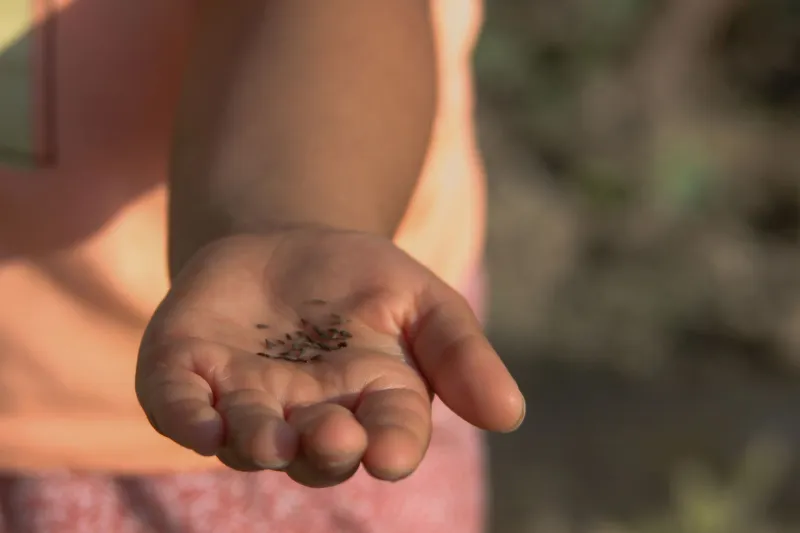
Somewhere in a kitchen in Vermont, a woman named Carol has fourteen small envelopes lined up on her windowsill. Each one is labeled in her handwriting — Mortgage Lifter tomato, Dragon Tongue bean, Aunt Ruby's German Green. She's been saving seeds from her garden for eleven years. She trades them with neighbors, brings them to her local seed library, sends them through the mail to people she's met in online gardening forums.
Carol is probably fine. But if those envelopes contained seeds from a patented plant variety — something she might not even know she was growing — the legal picture would get considerably more complicated.
Seed saving is having a cultural moment. It shows up in homesteading content, in food sovereignty advocacy, in the programming of seed libraries that have quietly proliferated in public libraries across the country. What rarely gets discussed alongside the romanticized version of this practice is the legal framework that has been quietly built up around it over the past four decades — a framework that gives corporations significant control over who can save, share, and replant seeds, and that has real consequences for people who don't know the rules.
How Seeds Became Property
For most of human history, seeds were commons. Farmers saved them, traded them, improved them through selective breeding, and passed them along. The idea that a seed — a living, self-replicating organism — could be owned by a corporation would have been incomprehensible to most agricultural societies.
That started changing in the United States in 1930, when Congress passed the Plant Patent Act, which allowed patents on asexually reproduced plants like fruit trees and roses. The bigger shift came in 1970 with the Plant Variety Protection Act, and then again in 1980, when the Supreme Court ruled in Diamond v. Chakrabarty that living organisms could be patented. That decision opened the door to utility patents on plant varieties — the same type of patent used for mechanical inventions — which offer much stronger protections than the older plant-specific laws.
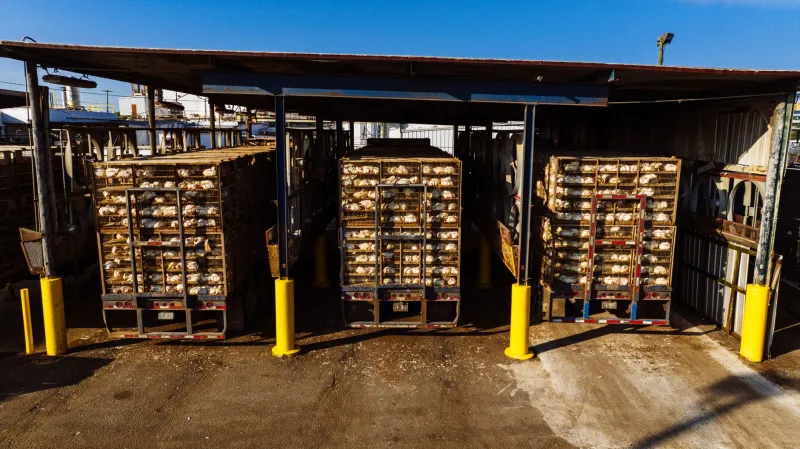
By the 1990s and 2000s, as genetic modification became commercially viable, the major seed companies — Monsanto chief among them — began building their business models around utility patents and licensing agreements. Farmers who bought patented seed were required to sign contracts agreeing not to save or replant it. The company would enforce those contracts aggressively.
The Monsanto v. Bowman case, which reached the Supreme Court in 2013, made the stakes crystal clear. Vernon Bowman, an Indiana soybean farmer, had purchased commodity soybeans from a grain elevator — not directly from Monsanto — and planted them, reasoning that his purchase of the grain exhausted Monsanto's patent rights. The Supreme Court unanimously disagreed. The patent followed the seed, even generations removed from the original sale.
What's Actually Patented (And What Isn't)
This is where a lot of gardeners get confused, and the confusion is understandable because the rules aren't simple.
Open-pollinated heirloom varieties — the Brandywine tomato, the Cherokee Purple, the Moon and Stars watermelon — are not patented. They are free to save, share, and replant without any legal risk whatsoever. These are the seeds that organizations like the Seed Savers Exchange in Decorah, Iowa have been preserving for decades, and sharing them is entirely legal.
Hybrid varieties (labeled F1 on seed packets) aren't typically patented, but they're not worth saving anyway — the seeds from F1 hybrids don't reliably reproduce the parent plant's traits. Most gardeners who buy hybrid seeds simply buy new ones each year.
The legally risky territory involves patented varieties, which are most common in commercial agriculture but do exist in the home garden space. Some newer vegetable varieties developed by plant breeders — particularly certain peppers, tomatoes, and specialty crops — are protected under the Plant Variety Protection Act or, in some cases, utility patents. Seed packets for these varieties sometimes carry a "Patented Variety" notice, but not always.
For home gardeners, the practical risk of being sued by a seed company is genuinely low. These companies focus their enforcement on commercial farmers who are planting patented seed at scale. But "low risk" is not the same as "no risk," and more importantly, the legal structure itself has effects that reach every gardener even if they never see a courtroom.
The Chilling Effect on Seed Diversity
The deeper problem isn't really about individual gardeners getting sued. It's about what a patent-dominated seed system does to agricultural biodiversity over time.
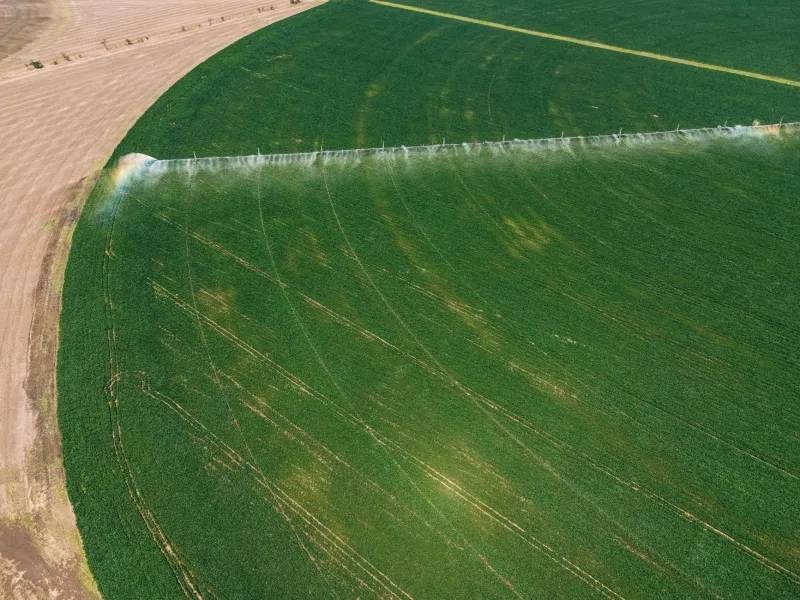
When seed companies can own plant varieties, they invest in developing and protecting varieties that have commercial value — high yield, uniform appearance, long shelf life, resistance to specific patented herbicides. Varieties that are flavorful, locally adapted, or interesting to small-scale growers but not profitable at industrial scale get less attention, less investment, and in some cases disappear entirely.
The numbers on this are genuinely alarming. A 1983 study by the Rural Advancement Foundation International compared seed catalogs from 1903 with USDA records and found that roughly 93 percent of the vegetable varieties commercially available at the turn of the century were extinct by the early 1980s. The trend has continued since. When genetic diversity in our food crops narrows, resilience narrows with it — a lesson that agricultural history has taught repeatedly and painfully.
The Seed Savers Who Are Pushing Back
Against this backdrop, the seed sovereignty movement looks less like nostalgia and more like infrastructure.
Organizations like Native Seeds/SEARCH in Tucson, which focuses on crops adapted to the arid Southwest, and the Rocky Mountain Seed Alliance are doing the slow, unglamorous work of collecting, growing, and redistributing open-pollinated varieties that would otherwise be lost. Seed libraries — now operating in all 50 states, often housed in public libraries — let community members check out seeds, grow them out, and return saved seeds at the end of the season.
For home gardeners who want to participate in this without running any legal risk, the path is clear: stick to open-pollinated, non-patented varieties. Organizations like Seed Savers Exchange, Baker Creek Heirloom Seeds, and Southern Exposure Seed Exchange offer extensive catalogs of varieties that are completely free to save and share. Many specifically note which seeds are open-pollinated and encourage saving.
If you want to go deeper, look for a seed swap or seed library in your area. Many of them offer free workshops on seed saving technique — because saving seeds well is genuinely a skill, and doing it badly can spread disease or accidentally cross-pollinate varieties you want to keep pure.
Why This Matters Beyond Your Garden Fence
Seed saving is sometimes framed as a quaint hobby, a back-to-the-land affectation for people with too much time on their hands. That framing misses what's actually at stake.
The seeds in Carol's kitchen window represent genetic information that has been selected, adapted, and refined over generations. Some of those varieties carry resistances to diseases that haven't become problems yet. Some are adapted to specific microclimates that industrial breeders have no reason to care about. Some are simply delicious in ways that the commodity food system has decided aren't worth preserving.
When communities save seeds, they maintain the raw material for food system resilience. When corporations own seeds, they control the terms on which that resilience is available — and at what price.
That's why the jar of saved tomato seeds on your windowsill is, in its quiet way, a political object. And why understanding the rules around it matters a lot more than most gardeners realize.