Open the Freezer, Close the Gap: The Case for the Coldest Aisle in the Store
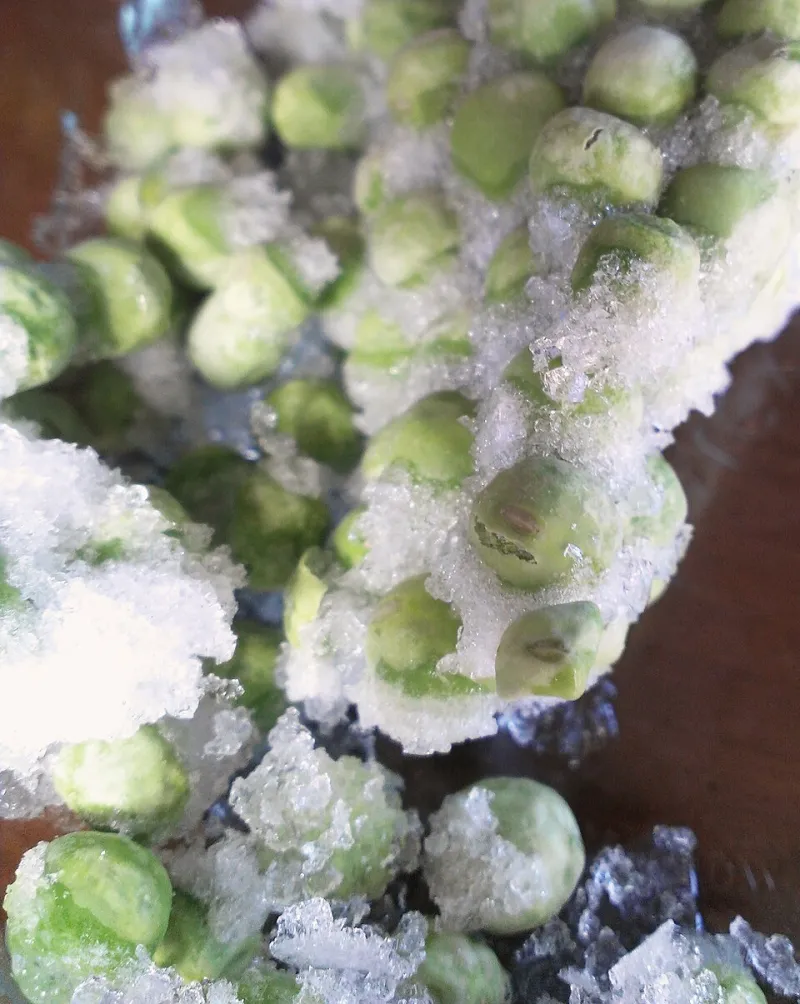
Photo: User:Ragesoss, CC BY-SA 3.0, via Wikimedia Commons
There is a quiet hierarchy in the sustainable food world. Fresh is at the top. Farmers market produce is near the summit. Canned is tolerated. Frozen, somehow, still gets a raised eyebrow, as if a bag of frozen peas were a personal failure of virtue. That hierarchy is not just snobbery. It is bad math.
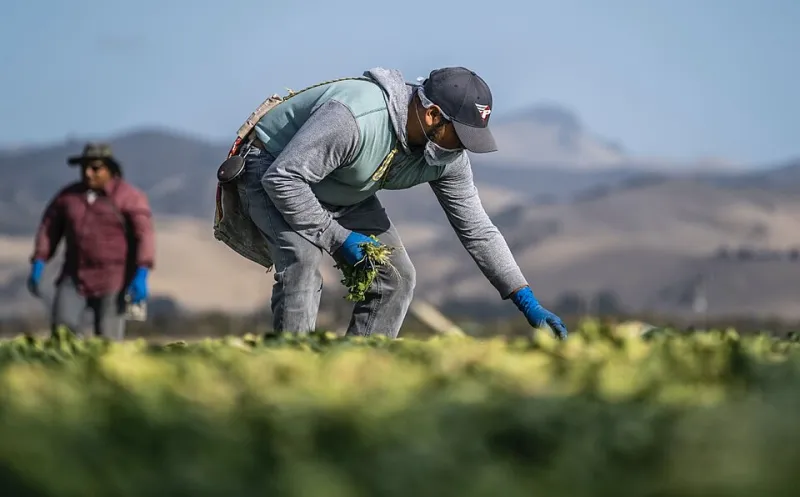
Frozen vegetables and fruit are often harvested at peak ripeness and frozen within hours. That timing matters. Produce sold as fresh may spend days in transit and on a shelf, losing vitamins and flavor along the way. Frozen produce can retain more of certain nutrients, especially vitamin C, because the clock slows down at the moment of freezing. The freezer is not a compromise. It is a pause button.
Fresh Is Not Always Fresher
A tomato picked green in another state, shipped for a week, and stacked under fluorescent lights is not necessarily more nutritious than a tomato frozen at the farm. The fresh tomato may look better on a sandwich. The frozen one may be closer to the field in every way that matters for nutrition and flavor. This is not an argument against fresh produce. It is an argument against treating fresh as a moral category.
Harvest timing is the real issue. A vegetable picked at its best and frozen quickly captures sugar, texture, and nutrients at a high point. A vegetable picked early so it can survive a long trip is making a different trade. Consumers pay for that trade with flavor, and sometimes with nutrition.
The Waste Argument
Then there is waste. A head of fresh broccoli may sit in a crisper drawer until it turns yellow and limp. A bag of frozen broccoli waits. You use what you need, close the bag, and put it back. For households trying to eat more vegetables without throwing away half of them, the freezer is a practical tool.
Food waste is not a small issue. When food is thrown away, all the water, labor, land, and energy that went into growing it are wasted too. Frozen produce can reduce that waste because it lasts longer and can be portioned. That matters for people cooking for one or two, and it matters for anyone trying to stretch a grocery budget.
The Regional Freezer
Here is the part the farm-to-table crowd should love. Regional freezing operations can keep small and mid-sized farms viable through winter. A farm that grows snap peas, sweet corn, or berries has a short season. If it can sell some of that harvest to a local or regional freezer, it can extend its revenue and reduce the risk of a glut that drives prices down. The freezer becomes infrastructure for local food, not an escape from it.
Some freezing operations are large and corporate. Some are cooperatives or regional businesses that source from multiple farms. The details matter. But the freezer aisle is not automatically less local than the fresh aisle. A bag of frozen blueberries may have more in common with a regional farm economy than a plastic clamshell of fresh berries flown in from another hemisphere.
Where Frozen Falls Short
None of this means frozen is perfect. Texture suffers. Frozen spinach will not make a crisp salad. Frozen tomatoes will not slice neatly onto a sandwich. Some frozen products are loaded with salt, sugar, or sauces. Packaging can be wasteful. Freezing requires energy, and a freezer that runs empty is not a climate win. And not every frozen vegetable is locally sourced. A bag of frozen green beans may travel across the country or around the world.
So the case for frozen is not that it replaces fresh. It is that frozen deserves a place at the table. It is a tool for eating locally year-round, for wasting less, and for supporting farms that need a market after the last tomato has been picked. The farm-to-table movement has spent years telling people to eat with the seasons. The freezer is one of the best ways to do that.
Next time you walk past the frozen peas, do not see a compromise. See a harvest paused at the right moment. See a farm that got paid for a crop that might otherwise have rotted in a field. See a dinner that is more honest, not less, because it did not pretend that fresh is always the only answer.