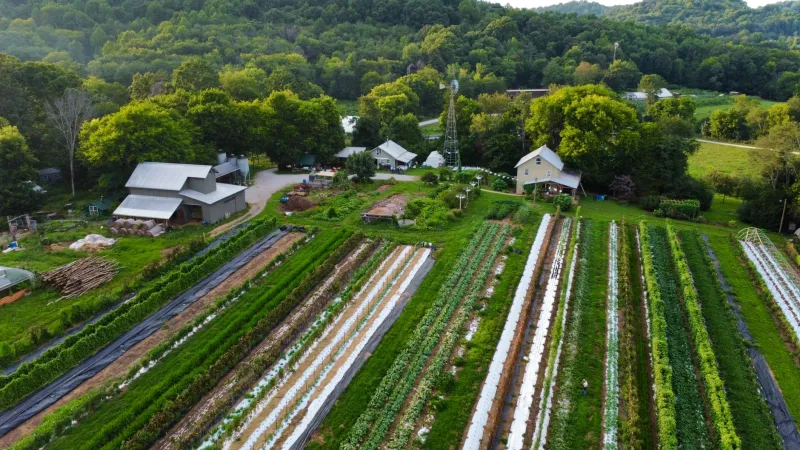
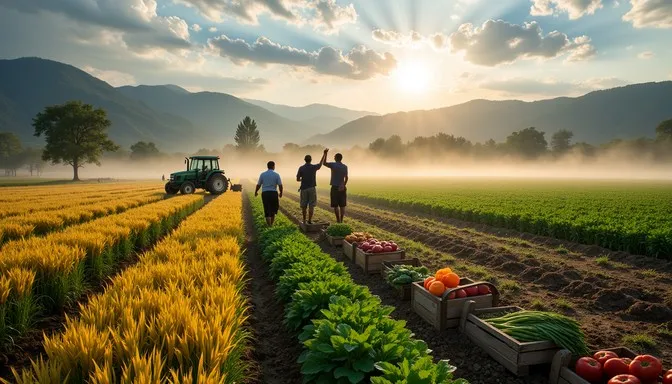
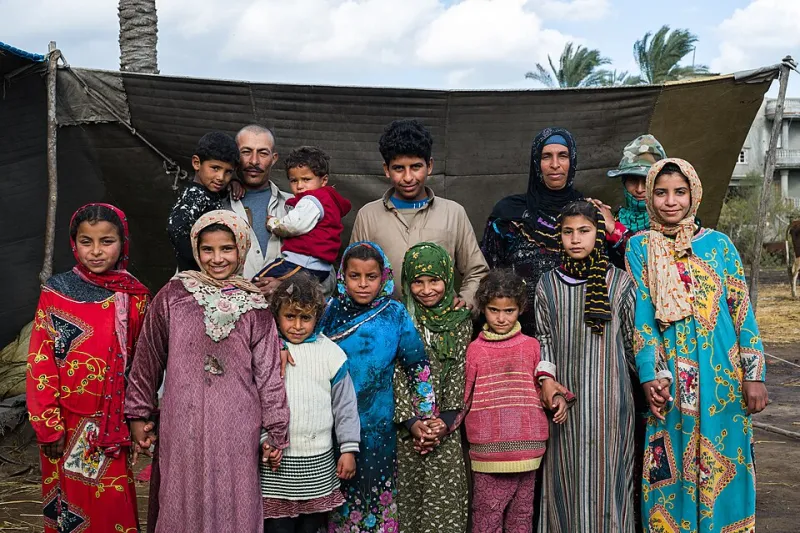
Grass, Guts, and Good Intentions: How Small Farms Are Quietly Reinventing the Way We Raise Meat
Pull up to any highway exit in rural America and you'll eventually spot a billboard advertising some version of the same thing: cheap meat. Two pounds of chicken for four dollars. Ground beef by the ten-pound roll. The price feels like a win. But spend a few hours talking to the farmers who are doing things differently, and you start to realize that price is really just a debt someone else is paying.
That someone else is usually the land.
The Problem with Cheap
Conventional industrial meat production is extraordinarily efficient at one thing: driving down the sticker price. Concentrated animal feeding operations—CAFOs—pack thousands of animals into tight quarters, cycle them through growth as fast as biologically possible, and ship them off before most consumers ever think to ask where they came from.
What that system externalizes is staggering. Manure lagoons that leach nitrates into groundwater. Soil compaction that turns once-productive pasture into hardpan. Antibiotic use so routine it's reshaping bacterial resistance in ways that affect human health. The land absorbs the cost. Communities downstream absorb the cost. And the consumer at the register? They walk away thinking they got a deal.
Small regenerative farms are betting that a different accounting is possible.
Animals as Ecosystem Partners
Here's the shift that changes everything: on a regenerative farm, animals aren't a liability to be managed. They're a tool—sometimes the most important one on the property.
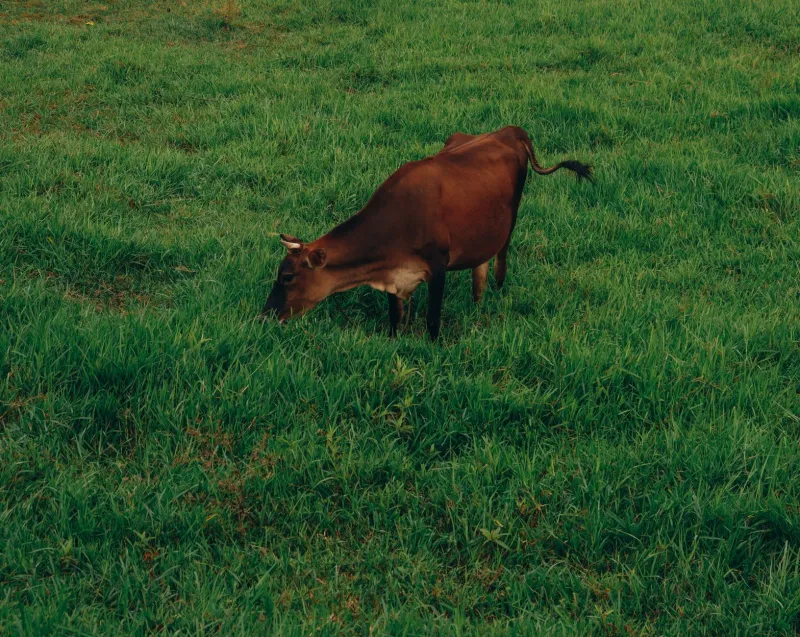
Take rotational grazing. The concept sounds almost too simple. You move cattle, sheep, or pigs across different sections of pasture on a regular schedule, never letting them graze any one area down to the dirt. The animals eat, drop manure, and trample plant matter into the soil. Then they move on. The grazed section rests, recovers, and often comes back stronger than before.
What's actually happening beneath the surface is remarkable. Hoof action breaks up soil crust. Manure feeds soil microbes. Deep-rooted perennial grasses, no longer overgrazed, push their roots further down and pull carbon out of the atmosphere in the process. Farms that have practiced intensive rotational grazing for a decade or more often report soil organic matter levels that conventional fields can barely dream of.
"We're not just raising beef," says one cattle farmer in the Ozarks who's been running a rotational system for eight years. "We're farming grass. The cattle are just how we harvest it."
Pigs in the Woods, Chickens in the Field
It's not just cattle. Farmers across the country are finding creative ways to weave different species into their land management in ways that benefit both animal and ecosystem.
Pasture-raised pigs are natural rooters. On forest edges and overgrown sections of a farm, they can clear invasive brush, turn compost, and fertilize ground that would otherwise require expensive mechanical intervention. Some small farms in the Southeast are running pigs through their orchards after harvest, letting the animals clean up fallen fruit and pest larvae that would otherwise overwinter and cause problems the following spring.
Layer chickens following behind cattle in a rotational system is another practice gaining traction. The chickens scratch through the manure pats left by the cattle, eating fly larvae and spreading the organic matter across the pasture. It's integrated pest management that doesn't come in a spray bottle.
This kind of multi-species integration was simply how farming worked before the industrial era pushed everything toward monoculture and specialization. In a lot of ways, regenerative livestock farming isn't radical—it's a return.
The Economics Are Complicated (And That's Okay to Admit)
Let's be honest about something: meat raised this way costs more. Sometimes significantly more.
A pastured pork chop from a small farm might run you three or four times what you'd pay at a big-box grocery store. Heritage breed chicken can feel almost absurdly expensive if your reference point is a factory-farmed bird. And the farmers raising these animals will be the first to tell you they're not getting rich.
The margins on small-scale livestock are brutally thin. Land costs, fencing, labor, processing—small farms usually can't access the same USDA-inspected slaughter facilities that large operations do, and mobile or small-batch processors are expensive and often booked out months in advance. Federal meat inspection rules weren't written with the small farmer in mind.
But here's what that higher price tag actually represents: fair wages for farm workers, land that's getting healthier instead of more depleted, animals that lived something close to a natural life, and a local economy that keeps money circulating in the community rather than funneling it to a handful of massive corporations.
For consumers who can afford to make that choice, it matters. And for those who can't—because food access and income inequality are real, and pretending otherwise helps no one—the argument for policy change that supports small-scale producers becomes more urgent, not less.
The Ethics of Eating Meat at All
This piece would be incomplete without acknowledging the harder question underneath all of this: should we be eating meat in the first place?
It's a fair thing to ask. And the regenerative farming community doesn't have a single unified answer. Some farmers will tell you that well-managed livestock are net positive for the environment—that ruminants on perennial pasture sequester more carbon than they emit, that grassland ecosystems evolved with grazing animals and fall apart without them. The science on this is genuinely contested, and the honest answer is that it depends enormously on how the animals are raised and what land they're on.
What's harder to argue against is this: if you're going to eat meat, sourcing it from a farm that's actively trying to heal the land rather than degrade it is meaningfully different from sourcing it from a CAFO. The gap between those two things—ecologically, ethically, and in terms of what it does to rural communities—is enormous.
How to Find the Real Thing
So how do you actually connect with farms doing this work? A few starting points:
- Your local farmers market is still one of the best entry points. Ask direct questions: Do you raise your own animals? Can I visit the farm? What do they eat?
- Eatwild.com maintains a searchable directory of pasture-based farms across the US.
- CSA meat shares from local farms often offer better pricing than buying individual cuts and create a direct relationship with the producer.
- Direct farm sales cut out the middleman entirely. Many small farms sell halves or quarters of beef directly to consumers—the upfront cost is higher, but the per-pound price often comes out competitive.
And if you find a farm you trust? Tell people. Leave a review. Show up consistently. The economics of small-scale livestock farming are fragile, and loyalty from even a small customer base can be the difference between a farm that makes it and one that doesn't.
The Bigger Picture
The livestock question in American agriculture isn't going away. If anything, it's getting louder—as climate pressures mount, as more consumers start connecting their food choices to ecological outcomes, and as the true costs of the industrial system become harder to ignore.
Small farms aren't going to feed the entire country on pasture-raised beef tomorrow. No one serious is claiming they will. But they're demonstrating something that matters: that it's possible to raise animals in a way that leaves the land better than you found it. That the relationship between livestock and landscape doesn't have to be extractive.
From the soil to your plate, that's a story worth paying attention to.