Every Time You Buy Cheap Meat, You Might Be Funding a Public Health Emergency
There's a number that doesn't get nearly enough airtime: 35,000. That's roughly how many Americans die each year from antibiotic-resistant infections, according to the CDC. To put that in perspective, it's more than the annual death toll from breast cancer. And while most people picture hospital wards and surgical complications when they think about drug resistance, a significant — and underreported — piece of this story starts somewhere much more rural. It starts on the farm.
This isn't a fringe theory or activist hyperbole. It's a well-documented public health trajectory that researchers, physicians, and the World Health Organization have been sounding alarms about for decades. The connection between how we raise livestock and how well our medicines work is real, it's measurable, and it's accelerating.
What's Actually Happening Inside Conventional Livestock Operations
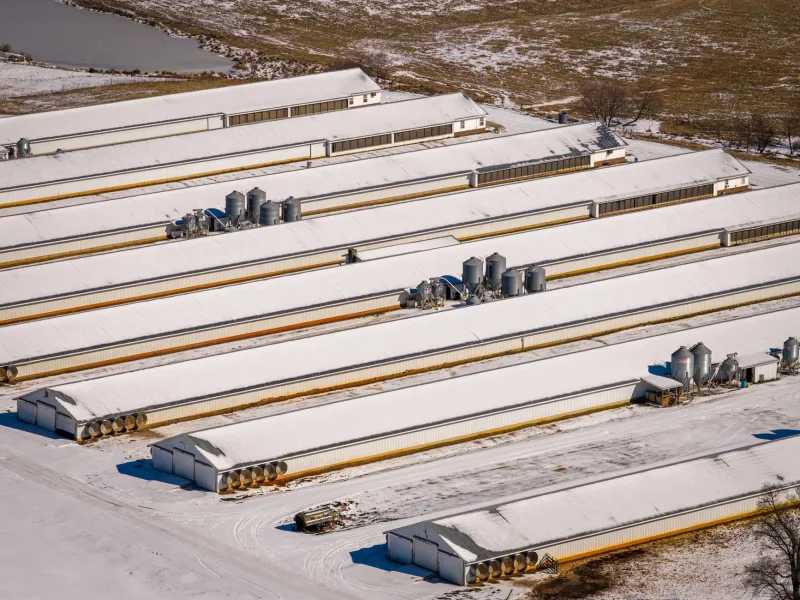
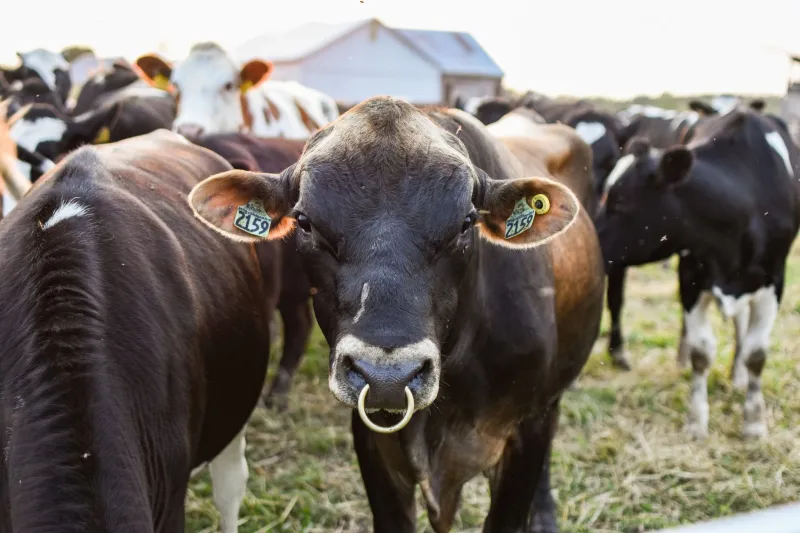
To understand the problem, you need to understand the conditions that created it. In large-scale conventional farming — the kind that produces the majority of beef, pork, and poultry sold in American grocery stores — animals are often raised in extraordinarily tight quarters. Thousands of chickens packed into a single shed. Hogs confined to concrete stalls. Cattle standing shoulder to shoulder in feedlots. These conditions are efficient. They're also breeding grounds for disease.
To keep animals alive and growing under these circumstances, producers have long relied on antibiotics — not just to treat sick animals, but to prevent illness from spreading through a crowded flock or herd, and in some cases, to promote faster weight gain. The FDA has taken steps to limit growth-promotion uses, but subtherapeutic and preventive dosing remains widespread. The result is a constant, low-level antibiotic presence running through millions of animals at any given moment.
Here's where the biology gets uncomfortable. When bacteria are repeatedly exposed to antibiotics without being fully eliminated, the weak ones die and the resistant ones survive. Those survivors reproduce. Over time, you're left with populations of bacteria that have essentially been trained to shrug off the drugs we use to treat human infections. Some of those bacteria — Salmonella, Campylobacter, E. coli, MRSA — are the same ones that end up making people seriously ill.
From the Feedlot to Your Kitchen — and Your Doctor's Office
The pathway from farm to human infection isn't always direct, but it's not mysterious either. Resistant bacteria travel through contaminated meat that isn't handled or cooked properly. They move through waterways when animal waste runoff reaches streams that irrigate produce fields. They hitch rides on farmworkers who live near large operations. They drift in dust from dry feedlots.
Once a resistant strain establishes itself in a human gut, it can cause infections that don't respond to first-line antibiotics — or sometimes any antibiotics at all. What would have been a straightforward urinary tract infection or a case of food poisoning becomes a prolonged, expensive, sometimes fatal ordeal. Patients end up in the hospital. Families rack up medical bills. And the drugs that were supposed to save us slowly lose their power.
A 2022 report from the Environmental Working Group found resistant bacteria on a significant percentage of conventional meat samples tested at retail — including chicken breasts, ground turkey, and pork chops. This isn't contamination from a single bad batch. It's a systemic feature of how the meat was produced.
The Label Problem Nobody Talks About
So you head to the grocery store, determined to make a better choice. You scan the packages. "No Antibiotics Ever." "Raised Without Antibiotics." "Natural." "Hormone-Free." The labels multiply, and so does the confusion.
Here's the honest breakdown:
"Natural" means almost nothing in this context. The USDA's definition refers to minimal processing and no artificial additives — it says nothing about how the animal was raised or whether antibiotics were used.
"Raised Without Antibiotics" and "No Antibiotics Ever" are more meaningful, but they require USDA verification to carry real weight. Look for the USDA Process Verified shield alongside these claims. Without it, you're largely taking the producer's word for it.
USDA Certified Organic does prohibit antibiotic use — animals treated with antibiotics must be removed from the organic program. This is one of the stronger assurances you can get at a conventional grocery store, though organic certification has its own complexities and limitations.
Animal Welfare Approved and Certified Humane labels both require meaningful space standards, which reduces the disease pressure that drives antibiotic dependence in the first place. These are solid indicators that the operation is structurally different from a conventional feedlot.
The Better Path — and It's Closer Than You Think
The most reliable way to know what you're eating is to know where it came from. That sounds simple, and in a lot of parts of the country, it actually is.
Your local farmers market is the obvious starting point. Small-scale livestock farmers who sell direct — whether at markets, through CSA meat shares, or via farm websites — are usually eager to talk about their practices. Ask them directly: Do you use antibiotics? Under what circumstances? What happens to an animal that needs treatment? A farmer with nothing to hide will give you a straight answer. Many small operations use antibiotics only when an animal is genuinely sick, and they remove that animal from the food supply — which is exactly how it should work.
Direct farm relationships also let you see the conditions your food is raised in. Animals with adequate space, outdoor access, and low-stress environments get sick less often. Less disease pressure means less need for preventive medication. It's not complicated — it's just a different model.
If direct sourcing isn't accessible where you live, independent butcher shops that work with regional farms are another strong option. Many of them have real relationships with their suppliers and can tell you exactly which farm your pork chops came from. That's a level of traceability the average supermarket meat counter simply can't match.
This Isn't About Perfection — It's About Pressure
Nobody here is going to tell you that buying a rotisserie chicken from a gas station is going to personally collapse modern medicine. The antibiotic resistance crisis is a systemic problem that requires systemic solutions — regulatory reform, international cooperation, agricultural policy overhaul.
But consumer demand is a real force. When enough people stop buying from operations that treat antibiotics as a production input rather than a medical tool, the economics shift. Producers adapt. Retailers change their sourcing standards. It's happened before — major fast food chains have moved toward antibiotic-free poultry, largely because enough customers started asking questions and making different choices.
The meat in your fridge is a small thing. The collective weight of millions of small things is not.
At Blue Farm Table, we believe that knowing where your food comes from is one of the most consequential things you can do — not just for your own health, but for the broader world your food is grown in. The antibiotic resistance crisis isn't someone else's problem waiting to arrive. It's already here. And the farms doing things differently deserve your attention, your dollars, and your support.