Superbugs Don't Stay on the Farm: The Hidden Health Crisis Spreading from Factory Feedlots to Your Front Yard
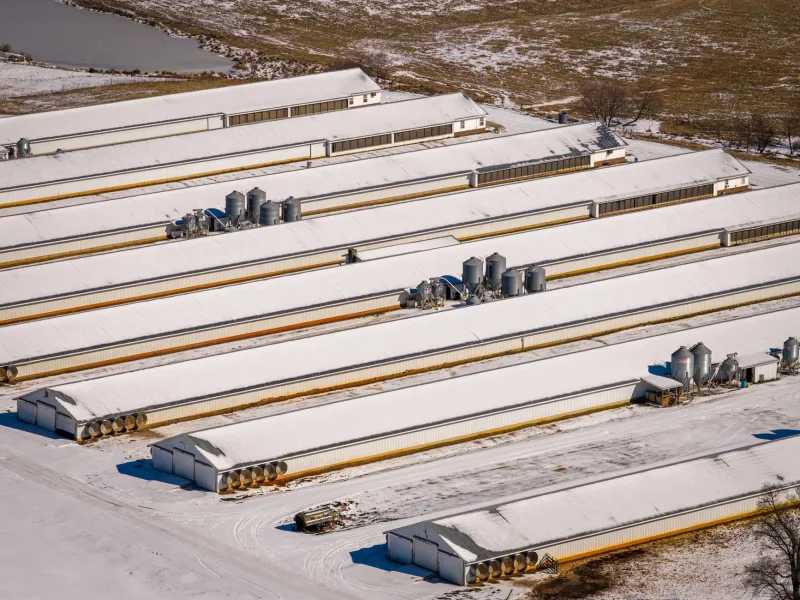
Somewhere in the rural Midwest, a hog operation houses tens of thousands of pigs in climate-controlled barns barely a mile from a small town. The residents there don't think much about the farm. They've grown up with agriculture. They understand that farming is messy, smelly, complicated work. What they don't know — what almost nobody tells them — is that the farm may be quietly reshaping the microbial environment around their homes, their wells, and their kids' playgrounds.
This isn't a fringe theory. It's documented science. And yet the conversation about antibiotic use in industrial livestock farming rarely breaks through the noise the way debates about organic certification or GMO labeling do. It probably should.
The Everyday Antibiotic Routine Most Consumers Don't Know About
Here's a number worth sitting with: roughly 65 percent of all medically important antibiotics sold in the United States are used in agriculture, not human medicine. A significant chunk of that goes to livestock — not because the animals are sick, but because low-dose antibiotics promote faster weight gain and help animals survive in the crowded, stressful conditions of industrial production.
For decades, the FDA allowed this practice under the umbrella of "growth promotion." Voluntary guidelines issued in 2017 were supposed to curb the most egregious uses, and they did — somewhat. But antibiotics are still routinely administered to entire herds and flocks for disease prevention, a category broad enough to justify near-continuous use on many operations. The animals live packed together. One gets sick, so everyone gets dosed. The cycle rarely stops.
What happens inside those barns is only half the story. The other half happens outside.
From Manure Lagoon to Groundwater: How Resistance Spreads
Animals excrete a large percentage of the antibiotics they consume — unmetabolized, still biologically active. That waste ends up in manure, and manure ends up everywhere: in lagoons, sprayed on fields as fertilizer, running off into streams after rain. Alongside the antibiotic residues travel the bacteria that have already adapted to survive them.
Researchers at Johns Hopkins and the University of North Carolina have documented antibiotic-resistant bacteria in the air downwind of hog operations, in the drinking water of nearby households, and on the hands and nasal passages of people living within a few miles of large-scale farms — people who have no direct contact with the animals. Studies published in journals like Environmental Health Perspectives have found that communities adjacent to industrial livestock operations show higher rates of antibiotic-resistant infections than those farther away.
The pathogens don't respect property lines. Methicillin-resistant Staphylococcus aureus (MRSA), certain strains of E. coli, Salmonella — these aren't just hospital problems anymore. Some of the most concerning variants have agricultural fingerprints all over them.
Why This Story Stays Quiet
So why isn't this front-page news every week? A few reasons, and none of them are flattering.
First, causation is genuinely hard to prove at the individual level. If your neighbor gets a drug-resistant urinary tract infection, no one is going to trace it back to a hog barn three miles away. The connection is statistical and epidemiological, not personal — which makes it easy to dismiss.
Second, the agricultural lobby is extraordinarily powerful. The meat industry has consistently pushed back against restrictions on antibiotic use, funding research that muddies the science and lobbying against legislation that would require more transparency in reporting.
Third — and this is worth being honest about — the organic certification conversation has absorbed most of the public's attention when it comes to farm practices. People argue about whether "organic" really means anything (it does and it doesn't, depending on what you're asking). Meanwhile, a quieter, arguably more urgent crisis keeps compounding.
The Farmers Who Decided to Stop
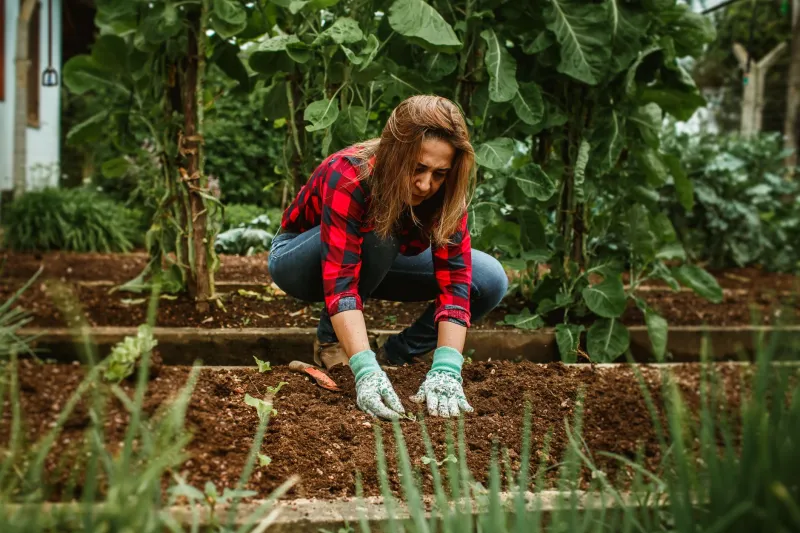
Not everyone went along with the industrial model. Across the country, a growing number of small and mid-scale livestock farmers have eliminated antibiotics entirely from their operations — not because a certification required it, but because they believed it was the right way to raise animals.
Take operations like White Oak Pastures in Georgia or the network of farms supplying brands like Niman Ranch: they've built their entire systems around animal welfare practices that make routine antibiotic use unnecessary. Animals raised with adequate space, pasture access, low-stress handling, and species-appropriate diets get sick less often. When they do get sick, individual animals can be treated and separated — the way a veterinarian would approach it — rather than medicating the entire population as a precaution.
The farmers who've made this shift report something interesting: yes, it's harder. Yes, mortality rates can be higher in the short term when you're transitioning away from a pharmaceutical safety net. But the animals they raise tend to be measurably healthier — lower pathogen loads, better gut microbiome diversity, fewer chronic stress indicators. And the land around their operations doesn't carry the same microbial burden.
Small farmers in Iowa and North Carolina have started testing their well water and soil independently, comparing results to neighbors near conventional operations. The differences, they say, are stark.
What "Antibiotic-Free" Actually Means on a Label
If you're shopping for meat and you want to support farms that have actually broken this cycle, label literacy matters — but so does skepticism.
"No antibiotics ever" (NAE) is the strongest claim and the most verifiable, particularly when it's paired with USDA Process Verified certification. "Raised without antibiotics" is similar but slightly less standardized. "Natural" means almost nothing in this context. And "organic" does prohibit antibiotic use, which is genuinely meaningful — though it doesn't guarantee everything else about how the animals were raised.
Beyond labels, the most reliable route is the one that's always been true at Blue Farm Table: know your farmer. Ask directly. A farmer who's actually eliminated antibiotics from their operation will usually talk your ear off about it, because it's hard and they're proud of it.
What You Can Actually Do
Consumer pressure works, slowly and imperfectly, but it works. Here's where to put your energy:
Buy from farms you can verify. Farmers markets, CSA memberships, and direct farm purchases let you ask questions and get real answers. If a vendor can't tell you how they handle illness in their herd, that's information.
Support policy change. Organizations like the Natural Resources Defense Council and Keep Antibiotics Working have been pushing for stronger federal regulations on agricultural antibiotic use for years. They need public support to move the needle on Capitol Hill.
Reduce industrial meat consumption. You don't have to go vegetarian to make a difference. Eating less conventionally raised meat and spending more on higher-welfare options when you do eat it shifts market incentives over time.
Talk about it. Seriously. The antibiotic resistance crisis in agriculture stays underdiscussed partly because it feels abstract and far away. It isn't. It's in the groundwater. It's in the air. It's in the bacteria that doctors are increasingly struggling to treat in emergency rooms across the country.
The farms that are doing this right — the ones raising animals on pasture, skipping the prophylactic drug routines, building healthy systems instead of medicating broken ones — they deserve more of your attention and your grocery budget than they're currently getting. And the communities living in the shadow of industrial operations deserve to know what's actually drifting their way.
This is a food transparency issue. It's a public health issue. And it's been quiet for way too long.